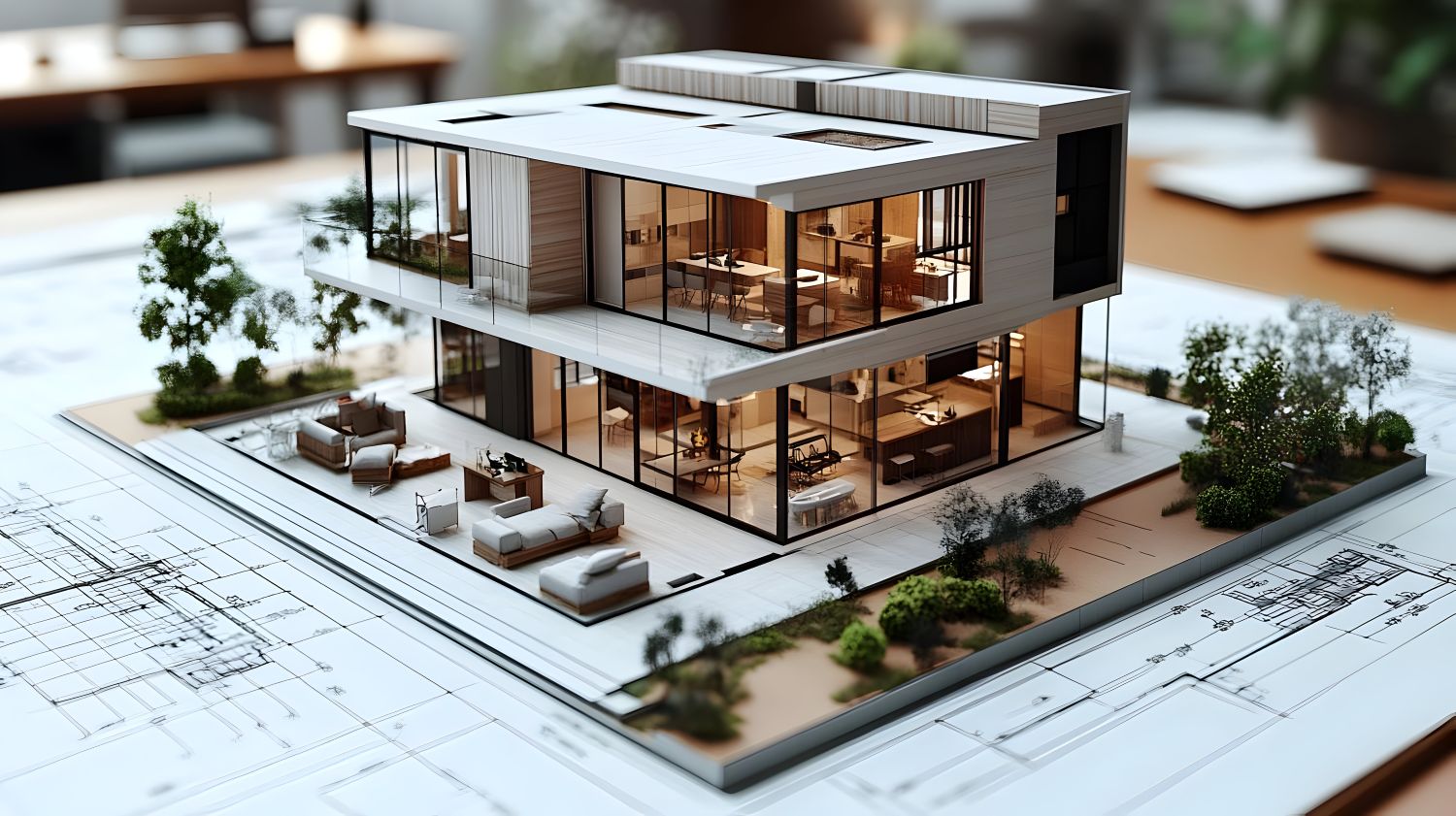
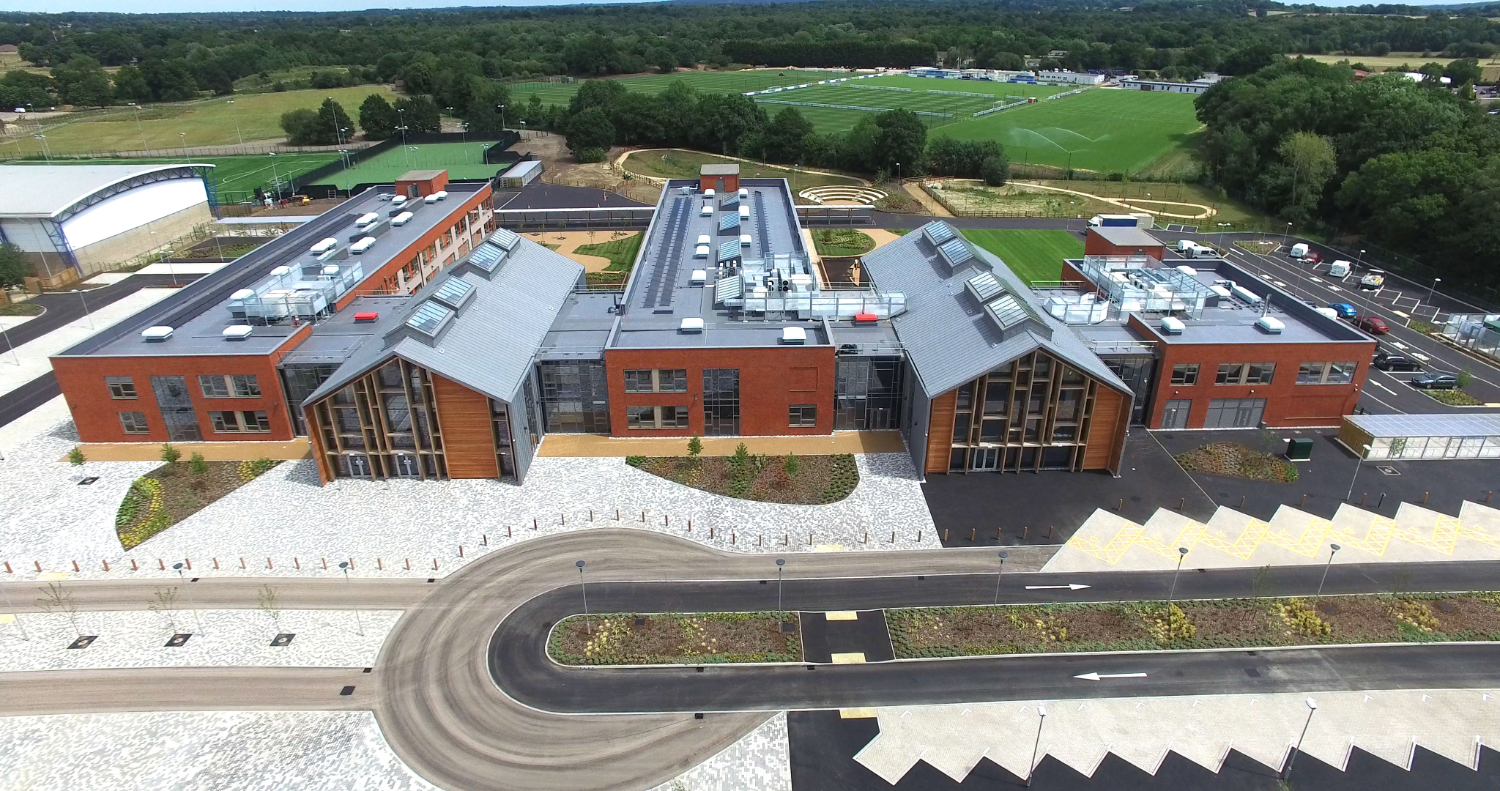
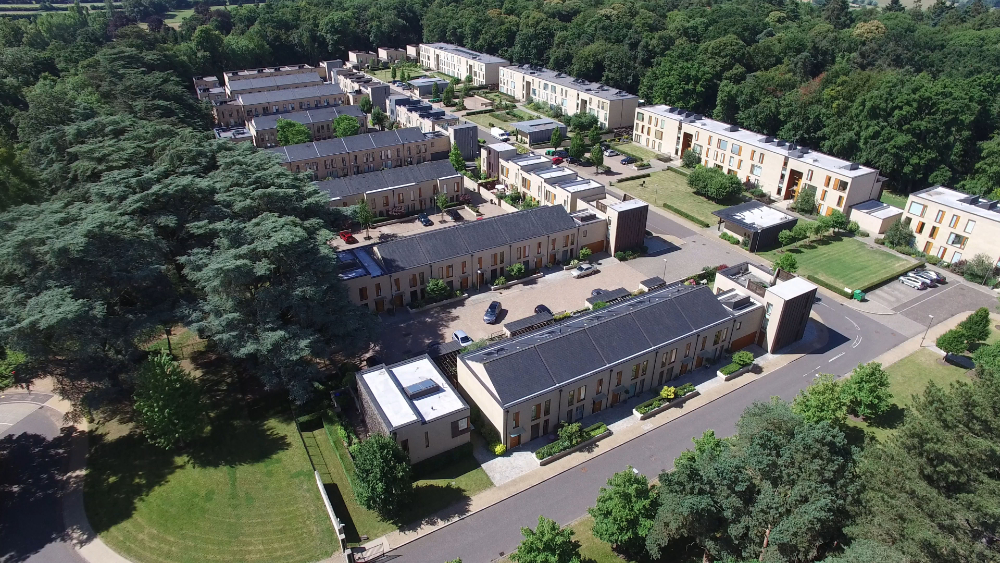
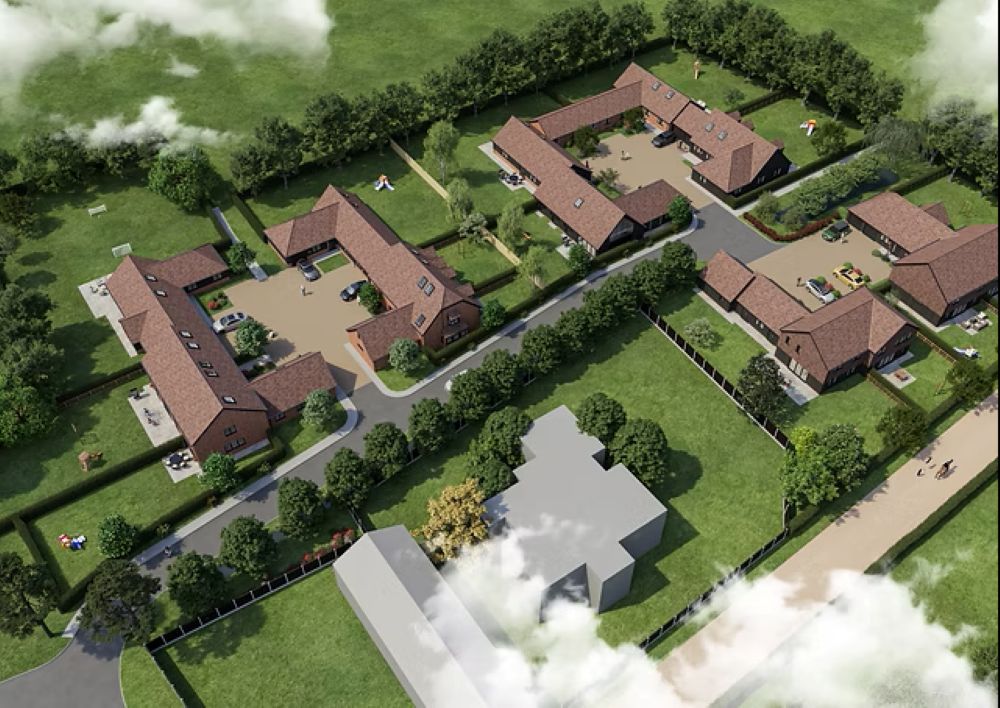
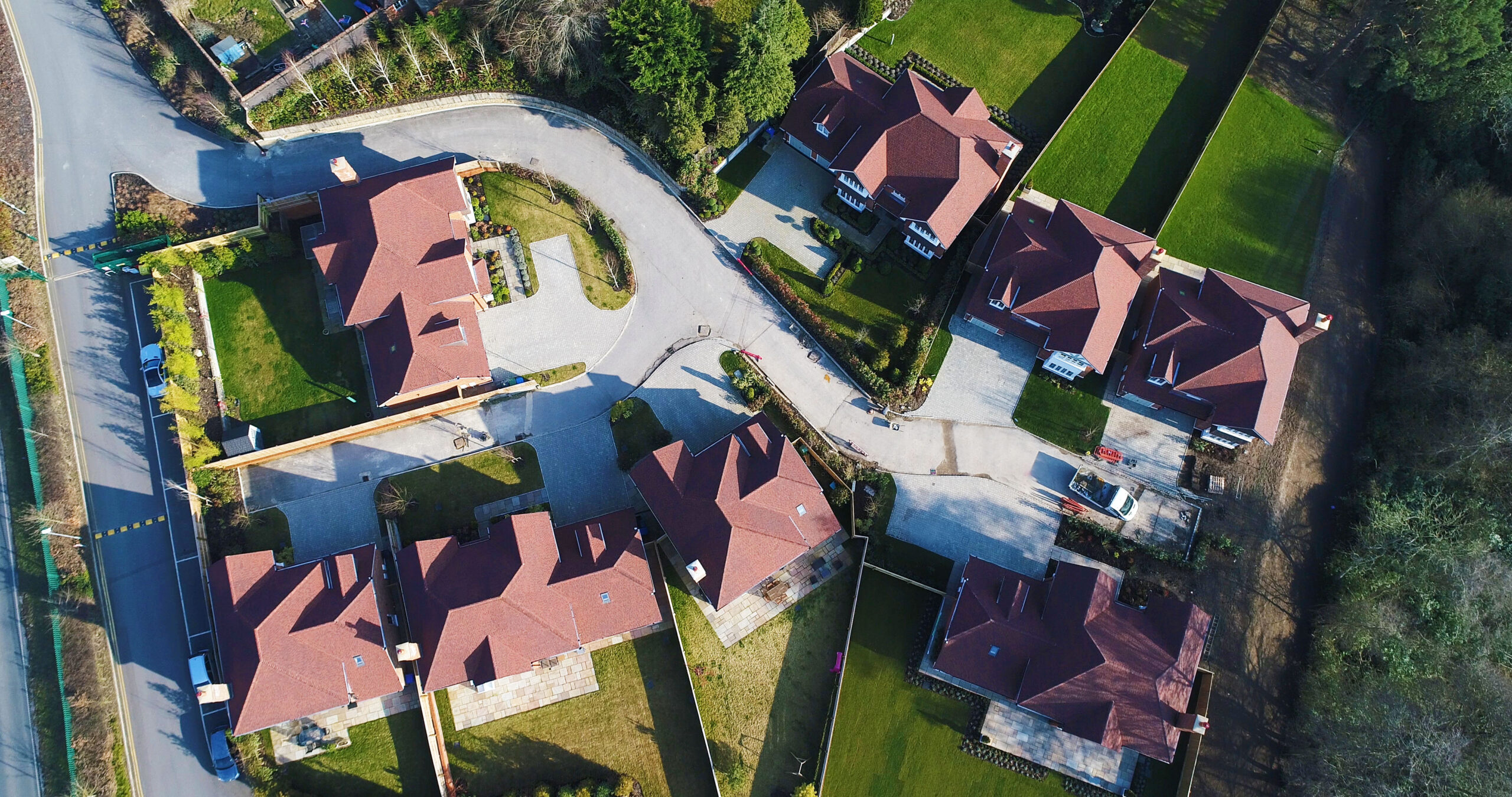
Real-world capture that makes CGI look believable
Using drones and on-site photography allows visualisation artists to:
- Capture accurate site conditions
- Understand scale, orientation, and surroundings
- Match lighting, weather, and atmospheric conditions
- Create visuals that blend seamlessly with reality
This approach bridges the gap between concept and context – a crucial factor in planning approvals, investor presentations, and marketing campaigns.
The Role of Drones in Architectural Visualisation
Drones have transformed how architects and CGI studios capture context. Unlike traditional ground photography, drones provide access to perspectives that were once expensive or impossible to obtain.
Drone imagery helps show how a project relates to neighbouring buildings, infrastructure, landscapes, and views, which is essential for masterplans and larger developments. It also makes it easier to visualise scale and massing, because aerial views can reveal building height, footprint, and volume within the surrounding environment.
Because drones can capture dynamic camera angles, CGI artists are able to match real viewpoints for seamless photo-montages and fly-through animations. They also provide a cost-effective way to gather high-quality visuals, especially when compared with helicopters or cranes.
When integrated into CGI, drone imagery helps create visuals that feel grounded, believable, and site-specific.
Ground Photography: The Foundation of Photorealism
While drones handle the big picture, ground-level photography is essential for detail and realism.
Professional photography supports CGI by providing:
• Textures for roads, pavements, facades, and landscaping
• Reference for materials, weathering, and local character
• Accurate lighting references for shadows and reflections
• Street-level views for pedestrian perspectives
These elements are critical when producing photo-realistic stills or integrating 3D models into existing environments.
Photo-Montage CGI: Where Reality Meets Design
Photo-montage CGI is one of the most powerful applications of photography in architectural visualisation. It combines real photographs with 3D architectural models to create images that feel both aspirational and authentic.
It’s particularly effective for planning submissions, community consultations, marketing visuals for off-plan developments, and stakeholder presentations.
By using drone and ground photography, CGI artists can make sure the proposed architecture sits naturally within the real landscape, which helps reduce uncertainty and increase confidence in the design.
Enhancing Marketing & Storytelling
Architectural CGI is no longer just a technical tool, it’s a storytelling medium. High-quality visuals help developers and architects communicate vision, lifestyle, and value.
Drones and photography strengthen that storytelling by creating cinematic visuals for websites and social media, supporting animations and virtual fly-throughs, and showing views, sunlight, and surroundings in a realistic way. They also help buyers connect emotionally with a project before it’s built.
The result is stronger engagement, faster approvals, and more effective sales and marketing campaigns.
The Future of Architectural Visualisation
As CGI continues to evolve, the integration of real-world data will only become more important. Drones, photography, and emerging technologies such as photogrammetry and LiDAR are pushing architectural visualisation toward greater accuracy and immersion.
For architects and developers, investing in high-quality imagery isn’t just about better visuals – it’s about clearer communication, reduced risk, and more compelling design narratives.
Final Thoughts
Drones and professional photography are no longer optional extras in architectural visualisation – they are essential components of modern CGI workflows. When used together, they allow architects and visualisation studios to create images that are not only visually striking but deeply rooted in reality.
In an industry where first impressions matter, blending real-world imagery with CGI is one of the most powerful ways to bring architecture to life – long before construction begins.