01628 436 494
Thames Valley Drones

Who Uses Aerial Photography?

Roofing companies, and anyone wondering who uses aerial photography on live sites, work with us when they need safe, reliable visuals from height without extra access kit. We capture clear views of ridges, valleys, gutters, flashings, and chimneys, including awkward areas. The imagery helps scope repairs, brief suppliers, and price work with fewer surprises. It also creates a simple before-and-after record for clients and insurers.

Who Uses Aerial Photography?

Why Smaller Businesses Like Using Aerial Photography

For anyone who uses aerial photography, they really understand the benefits a drone can offer. The images we produce at Thames Valley Drones show roofs, access routes, boundaries, and nearby risks in one place, so you can plan work with confidence and reduce disruption. It is a safer way to check hard-to-reach areas, and it creates a simple visual record for maintenance, insurance, and quotes. The same imagery also supports marketing, with straightforward visuals that help customers understand your location and offer at a glance.

It is so much easier to work with a drone company than to buy one yourself!

Roofing Companies

Roofing companies work with us when they need safe, reliable roof inspections from height without adding scaffolding or lifts. We capture clear views of ridges, valleys, gutters, flashings, and chimneys, including areas that are awkward to access. The imagery helps teams scope repairs, brief suppliers, and price work with fewer surprises. It also provides a straightforward before-and-after record for clients and insurers. A lot of large businesses will have their own drones, but there are many that are yet to invest in one – which is where we come in.

Architects and planning teams

We provide aerial photography for architects which supports feasibility, site appraisal, and design reviews. It shows context, massing, roof forms, access routes, and neighbouring constraints, which helps with early design thinking and clear conversations with stakeholders. When a proposal progresses, consistent imagery can be referenced in drawings, design statements, or consultation material. We routinely work with architects, developers, and land agents who need this level of clarity at the start of a project.

Surveyors and building consultants

Surveyors use aerial photography to document condition without scaffolding or lifts. Typical checks include tiles, ridges and valleys, parapets, rooflights, gutters, flashings, plant areas, and solar arrays. For complex roofs or multi-building estates, we capture methodically so images are easy to compare and reference in reports and tender packs. Where measurement is required, surveyor-grade photographic surveys and orthomosaics provide a consistent record of what is there.

Land agents and estate managers

Large holdings benefit from aerial context. Mapping shows boundaries, tracks, gateways, drainage, and features such as hedgerows and shelter belts. For routine management, repeat surveys through the seasons provide a straightforward way to understand change without large ground teams. The result is practical information you can share with owners, tenants, or contractors.

Facilities and estates teams

Estates managers want a quick understanding of priorities before committing to access equipment or opening up interiors. Overhead views help confirm the scale and location of issues, plan safe access, and brief contractors with current visuals. Organised image sets, named by elevation or zone, make it simple to track changes over time across offices, retail parks, schools, healthcare sites, and heritage properties.

Construction and site managers

On live sites, regular aerial sets capture progress, logistics, and constraints in a way everyone understands. From material laydown and traffic routes to roof areas and façade zones, the view from above supports coordination and short briefings. Where broader context is needed, 2D mapping and simple 3D models can help with planning meetings, inductions, and wayfinding for contractors.

Property developers and estate agents

For marketing and documentation, aerial photography and short clips show location, setting, and approach, alongside clear roof and elevation views. This supports sales packs, listings, and client updates. We also provide property and landscape photography for campaigns and archives when teams want a consistent library they can use across web, social, and print.

Insurers and loss adjusters

Time-stamped imagery of storm impacts or escape-of-water issues helps triage claims and plan next steps. Clear visuals of damage, access routes, and adjacent risks reduce site time, support scope and sequencing, and create a simple record for before and after. Many of our inspection briefs come directly from insurers, brokers, or appointed surveyors who need reliable evidence from height.

Local authorities, schools and public buildings

Councils and education providers use aerial photography for condition checks, routine maintenance planning, and stakeholder updates. Heritage and listed sites benefit from a light-touch approach to access, with visuals that reduce handling of delicate structures. When needed, photogrammetry and orthomosaics offer a map-like view to support reporting and consultation.

Agriculture and rural businesses

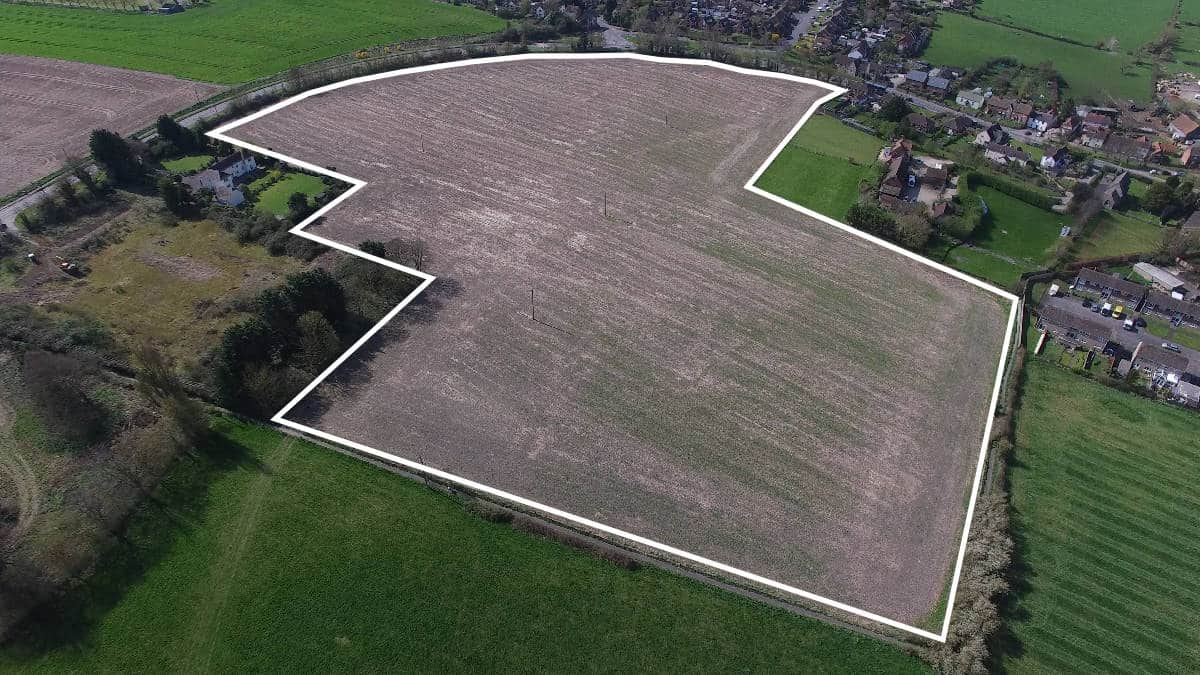
From crop scouting to planning tracks and water management, aerial views give a fast read of fields and features. Early signs of plant stress and standing water are easier to see from above, and mapped outputs help with everyday decisions across larger areas.

How we fit in

If you are enquiring to find out who uses aerial photography, at Thames Valley Drones, we work with many types of business, including roofing companies, homeowners, landlords, estate agents, commercial property owners, construction companies, surveyors, developers, architects, land agents, and heritage property managers. Every project is scoped to your brief, with practical planning around airspace, access, and live operations, so the work slots neatly into your existing process.

Where we work

We work across Berkshire, Buckinghamshire, and Oxfordshire, with regular projects in Hampshire, Surrey, Sussex, and Warwickshire. By arrangement, we also cover Essex, Gloucestershire, Kent, and Northamptonshire.